
Book information
- Publisher
- punctum books
- Publication
- Published 23 May 2013
- Place
- Brooklyn, NY
- Catalogue record
- View in the catalogue
Abstract
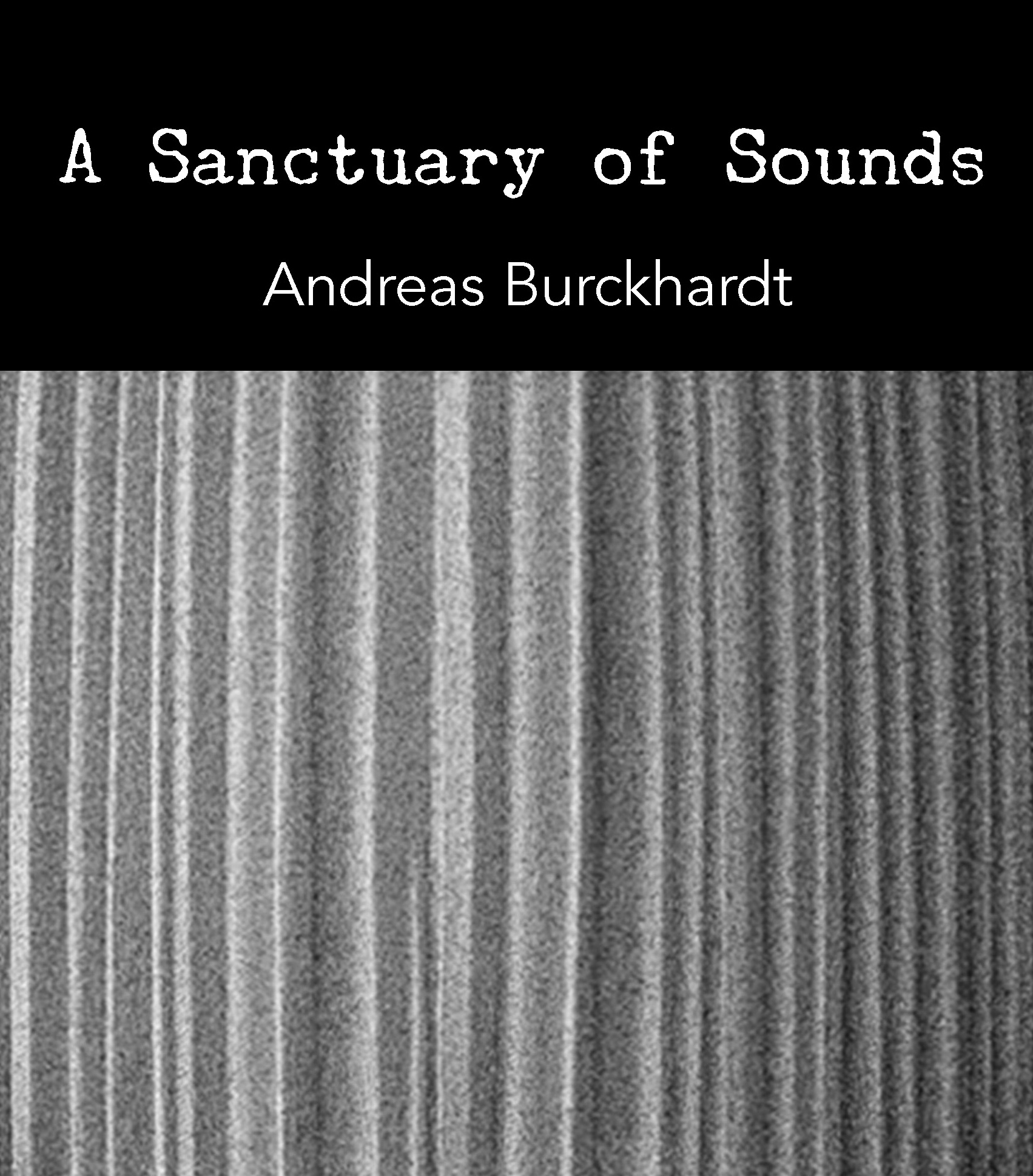
A Sanctuary of Sounds is an aural rewriting of William Faulkner’s novel Sanctuary (1931). A polyphonic object. A garden — assemblage of blooms, of affects, of sounds, of meaning. An invitation to rethink appropriation ethically, aesthetically, and epistemologically. The appropriation of a body of work, of a physical body, of an idea, of data. The history of knowledge and its production is enabled by the process of appropriation, by the differentiation of noise.
A Sanctuary of Sounds is a noise–totality. Noise — nothing but noise. Noise as the first object of metaphysics. Noise as the synchronic/diachronic mediator of production–processes and their reorganization in society. Utopia and dystopia at once. A Sanctuary of Sounds is a dialectical poem, it is noise against noise — raping a rape.
Where its authors and editors are based
Countries of the institutions the book's authors, editors and chapter authors were affiliated to when it was published.
- AUTHORS / EDITORS
- CITATIONS Phase 2
- USAGE Phase 3
No affiliations with a known country in these years yet.
About this data
These figures cover 1 work. Each value comes from the most trusted source that has it; a correction made by OBC staff outranks every source.
| Source | Confidence | Works |
|---|---|---|
| Thoth | 90 / 100 | 1 |
| Works with a publication date | 100% |
|---|---|
| Works with a DOI | 100% |
| Works with a funder recorded | 0% |
| Authors with an affiliation | 0% |
Countries come from the institution each author was affiliated to when they published, as recorded in ROR. A country is never guessed, so authors without a matched institution are not counted on the maps.
Funders come from OpenAlex for articles and Thoth for books, where publishers recorded them. Most works record none, so a funder's figures show what is recorded, not everything it funded.
Chapters count as works: their authors and editors, and the countries of their institutions, are in every figure where Thoth records an affiliation for them.
Citations (Phase 2) and usage (Phase 3) are not collected yet.